


Blessing Nduku The Midlands Province has reached a major milestone in its national food security initiative by exceeding seasonal production targets for the 2026 winter wheat cropping cycle. This success underscores agricultural efficiency, effective coordination, and farmers’ resilience. According to data from the official October 2026 Wheat Update, agricultural operations across the province cultivated 13,567
Blessing Nduku
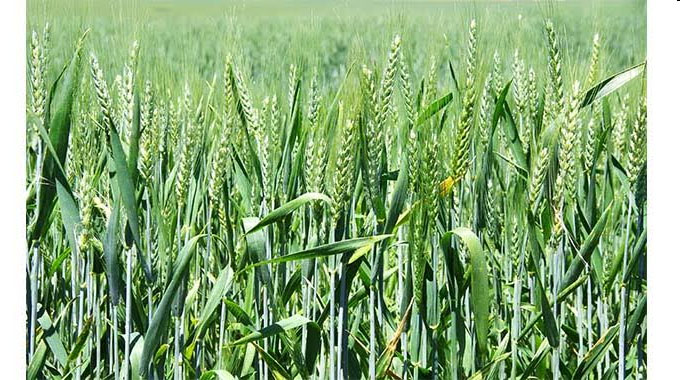
The Midlands Province has reached a major milestone in its national food security initiative by exceeding seasonal production targets for the 2026 winter wheat cropping cycle.
This success underscores agricultural efficiency, effective coordination, and farmers’ resilience.
According to data from the official October 2026 Wheat Update, agricultural operations across the province cultivated 13,567 hectares, surpassing the provincial target of 12,500 hectares and reaching 108% of the initial projections.
This surge in productivity reflects a substantial expansion in commercial farmland and increased participation by smallholder farmers across all seven provincial administrative districts.
Kwekwe district, the province’s traditional farming center, was a key contributor to this agricultural achievement and played a crucial role in this season’s success.
Kwekwe’s farming community cultivated 11,882.7 hectares—well beyond its 10,910-hectare target.
This significant output formed the backbone of the provincial total and showcased the district’s strong commercial irrigation infrastructure.
Beyond the major commercial centers, overachievement extended into rural and communal farming areas. In Chirumhanzu district, for instance, agronomists aimed for 840 hectares, but dedicated farmers exceeded expectations by planting 881.5 hectares. Similarly, Mberengwa district surpassed its goal, cultivating 305.2 hectares against a target of 275 hectares.
Gweru reported cultivating only 16 hectares against a target of 300 hectares, while Gokwe South increased its area to 52 hectares from a modest target of 40 hectares. Zvishavane district met its target perfectly, cultivating 40 hectares.
The only slight shortfall occurred in Shurugwi district, where farmers brought 89.6 hectares into production against a target of 95 hectares.
Despite this, local officials praised the outcome, citing localized logistical challenges during planting.
Agronomic assessments conducted throughout the growth stages indicate high crop quality in the region.
Extension services report that the conditions in large-scale commercial sectors remain exceptionally good, supported by consistent center-pivot irrigation, timely fertilizer applications, and effective soil management.
In contrast, small-scale farming plots in communal and scheme settings have maintained fair-to-good assessments, showing that localized capacity-building and targeted technical support are delivering measurable benefits.
This record output faced significant environmental threats, particularly from invasive pests.
Early in the cropping season, four separate outbreaks of the notorious Quelea bird were detected in key production zones.
These birds can devastate entire fields within days, representing a serious threat to the province’s target yield.
However, prompt action by government pest control units ensured they swiftly managed and contained all four outbreaks before any significant damage occurred.
As most of the provincial crop reaches the hard dough stage, agricultural authorities have confirmed that the biological threat has passed, and no active bird infestations remain.
Harvesting operations are now entering their peak phase as combine harvesters steadily move across the landscape.
However, this final stretch presents a new environmental challenge.
Unseasonable rainfall has unexpectedly affected approximately 635 hectares of standing wheat across Chirumhanzu, Kwekwe, and Mberengwa districts.
Agronomists and engineering teams are helping affected farmers with specialized drying and accelerated recovery protocols to minimize moisture damage and preserve harvest quality.
Despite the sudden rains, agricultural officers and farmer associations remain confident in the final outcome.
The combination of expanded land coverage, swift pest control, and strong crop health ensures the 2026 winter wheat campaign will be recognized as a landmark achievement, significantly bolstering the country’s goal of complete national grain self-sufficiency.
















Leave a Comment
Your email address will not be published. Required fields are marked with *