


By Staff Reporter Original ZAPU (O) ZAPU has called for accountability and transparency over the stalled Gwanda Solar Project, saying the people of Matabeleland cannot continue to endure electricity shortages while questions surrounding major development projects remain unanswered. The party’s call follows revelations by Joachim “G6” Chivayo, brother of the late businessman Wicknell Chivayo, who
By Staff Reporter
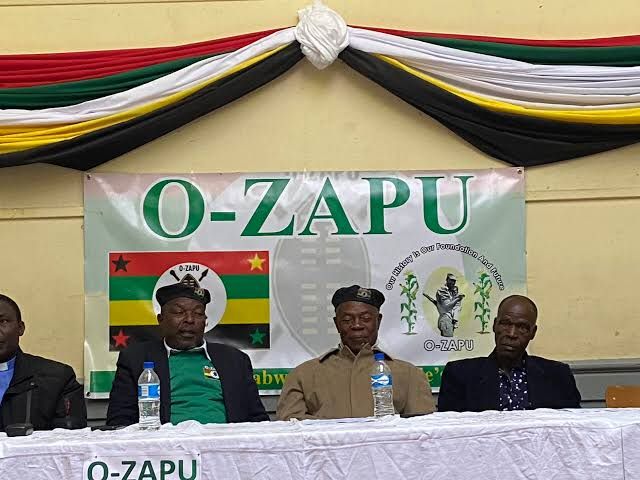
Original ZAPU (O) ZAPU has called for accountability and transparency over the stalled Gwanda Solar Project, saying the people of Matabeleland cannot continue to endure electricity shortages while questions surrounding major development projects remain unanswered.
The party’s call follows revelations by Joachim “G6” Chivayo, brother of the late businessman Wicknell Chivayo, who claimed that he sold his vehicles and raised US$220,000 after being persuaded that the controversial solar project had secured funding.
Speaking at his brother’s burial on Thursday, G6 claimed that the late controversial businessman had promised him US$1 million from a deal he believed would generate US$5 million. He alleged that after being told the deal had gone through, his brother stopped answering his calls and later offered him a vehicle instead of the money he expected.
While the account does not establish what happened to the project’s funds, it has renewed public scrutiny of a project that was supposed to generate 100 megawatts of electricity and contribute to Zimbabwe’s national grid.
“The people of Matabeleland deserve accountability and transparency. Gwanda was promised a major solar power plant that would help address the country’s electricity challenges, yet our people continue to experience power shortages years later. We cannot continue making promises while leaving serious questions about the implementation of these projects unanswered,” said (O) ZAPU), Mathew Sibanda in an interview.
The US$172.8 million project was awarded to Intratrek Zimbabwe Pvt Ltd in 2015 but became embroiled in a prolonged legal dispute after the Zimbabwe Power Company (ZPC) terminated the contract in 2018, citing non-performance. ZPC alleged that Intratrek had failed to deliver despite receiving an advance of approximately US$5.6 million.
The courts subsequently found that ZPC’s termination of the contract was unlawful, with the Supreme Court upholding the validity of the agreement. However, the legal proceedings did not resolve all the wider public concerns about the project’s prolonged delay and its failure to deliver electricity.
Last month, reports indicated that the project was back on track after Intratrek received a government notice to proceed, with 24 months to complete the power plant.
However, reports from a recent visit to the site described an overgrown property with limited visible infrastructure, raising further questions about the project’s readiness and whether the latest deadline will be met.
Sibanda said the government must provide clear answers about the project’s financial position, the funds involved, the progress made and the measures in place to ensure that the power station is finally completed.
“A notice to proceed is not the same as delivering electricity. The people want to see the project completed, they want to know how the money has been accounted for and they want assurances that this will not become another unfulfilled promise. There must be clear milestones and proper oversight,” said Sibanda.
The controversy also highlights broader grievances in Matabeleland where communities have long raised concerns about marginalisation, unequal development, unemployment, poor infrastructure, water shortages and inadequate investment in local industries.
Historical grievances, including the unresolved legacy of Gukurahundi and demands for truth, justice and meaningful reconciliation, continue to shape calls for accountability and recognition in the region.
For many residents, the Gwanda Solar Project represents more than a delayed power station. It reflects a wider frustration with development promises that fail to translate into tangible improvements in people’s lives. Electricity shortages undermine small businesses, limit economic opportunities and make it harder for communities to attract investment and create jobs.
Sibanda said the people of Matabeleland were not asking for special treatment but for fairness, responsible governance and an equitable share of national development.
The revelations by G6 do not, on their own, establish what happened to the money associated with the Gwanda project or determine the responsibilities of the parties involved.
However, they have added to public calls for greater transparency around the dealings and decisions connected to the controversial venture.
The government and relevant stakeholders must now demonstrate how the project will be completed, provide credible information about its financial and contractual position and ensure that those responsible for implementing it are held accountable where necessary.
For the people of Gwanda, who continue to face electricity shortages, the priority is clear: the solar plant must move beyond promises and begin generating power. For the wider Matabeleland region, the demand remains that public resources be managed transparently and that development commitments translate into real benefits for ordinary citizens.
Ends














Leave a Comment
Your email address will not be published. Required fields are marked with *