


Richard Shumba Before the sun becomes too harsh over Phillip Village in Ward 2 of Lower Gweru, women are already at work. For them, climate change is not measured only in global temperatures or discussed at United Nations conferences. It is felt in the soil, seen when rains arrive late and crops struggle, and measured
Richard Shumba
Before the sun becomes too harsh over Phillip Village in Ward 2 of Lower Gweru, women are already at work.
For them, climate change is not measured only in global temperatures or discussed at United Nations conferences. It is felt in the soil, seen when rains arrive late and crops struggle, and measured in the hours spent searching for water and food.
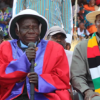
For Tendeukai Sibanda, a woman from Phillip Village, climate change has become part of everyday life.
“The rains are no longer predictable like they used to be. Sometimes we wait for the rains and when they finally come, they are not enough to help our crops. It makes life difficult because we depend on farming.”
Her experience reflects the vulnerability of rural women whose livelihoods and household responsibilities depend heavily on land, water and agriculture.
Zimbabwe’s climate plans identify water shortages, dependence on rain-fed agriculture and gender inequality among factors increasing vulnerability to climate change. Women can face particular burdens when climate shocks affect farming and household resources.
Speaking to this publication through a telephone interview Washington Zhakata, Chief Director in the Ministry of Environment, Climate and Wildlife and Zimbabwe’s UNFCCC national focal point, said the impacts are already being felt across the country.
“Climate change is a reality. Climate change is happening, and the impacts are being felt across the whole country,” Zhakata says.
He says women, children and people with disabilities can bear a heavier burden because of their dependence on water.
“Some wells are drying, and women and children have to travel very long distances to get very little water,” he says, adding that children’s school attendance can also be compromised.”
Tadiwa Kaisa, Director of the Midlands Aids Service Organisation (MASO), says climate change is not gender-neutral, although women and girls often bear a disproportionate burden because of their traditional roles in securing food, water and caring for families.
“Climate change is not gender-neutral. In communities such as Philip Village, women and girls often carry a disproportionate burden because they are traditionally responsible for household food security, water collection, caregiving and other domestic responsibilities. When rainfall becomes unreliable, droughts intensify or agricultural production is affected, it directly increases the amount of work women have to do to sustain their families,” Kaisa said.
Meanwhile Environmental Management Agency public relations officer Oswald Ndlovhu says rural women are particularly vulnerable because they depend on rain-fed agriculture and are often responsible for household water needs.
“When rainfall becomes unreliable and water sources dry up, women and children may have to travel longer distances to access water, increasing their workload and reducing the time available for productive activities,” Ndlovhu says.
He says communities need climate-smart agriculture, sustainable land use, efficient water use and protection of wetlands.
But Ndlovhu says women should not be viewed only as victims.
“Women should not be viewed as victims of climate change. They are important agents of adaptation,” he says.
Their struggle is connected to a much larger global response. Greenhouse gases such as carbon dioxide and methane contribute to global warming.
Under the Paris Agreement, countries cooperate to reduce emissions and adapt to climate impacts.
Article 6 provides mechanisms for international cooperation, including carbon markets, while Article 6.4 establishes a UN mechanism for carbon credits.
For communities such as Phillip Village, this raises a fundamental question, does climate finance reach the people living with climate impacts?
Carbon credits do not automatically mean Tendeukai receives climate finance. That connection must be established through evidence.
But climate action ultimately has a human dimension,access to water, food, livelihoods, education and participation in decisions affecting communities.
Zhakata says the Government is working to expand boreholes, dams, and irrigation schemes, while Ndlovhu calls for partnerships involving communities, local authorities, agricultural extension services, and civil society.
For Tendeukai, climate change is not a distant international debate.
She cannot determine greenhouse-gas emissions. She cannot negotiate the Paris Agreement or decide the price of a carbon credit.
But she lives with the consequences.
She silently lives with the consequences of climate although having least contributed to its impact posing another fundamental question who should bear the cost?
For Tendeukai Sibanda and the women of Phillip Village in lower Gwelo, climate change is not a story about tomorrow.















Leave a Comment
Your email address will not be published. Required fields are marked with *