


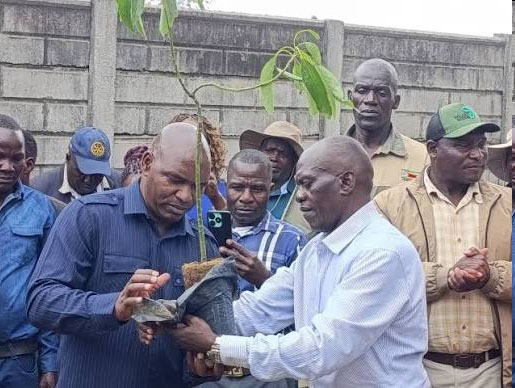
Farmers are urgently calling for a review of producer prices to reflect rising production costs, warning that since prices are fixed while fuel, energy, and fertilizer costs soar, the viability of agriculture is at risk. Dr. Jameson Jawi, president of the Zimbabwe Farmers Union (ZFU), made this appeal in his opening remarks during the 86th
Farmers are urgently calling for a review of producer prices to reflect rising production costs, warning that since prices are fixed while fuel, energy, and fertilizer costs soar, the viability of agriculture is at risk.
Dr. Jameson Jawi, president of the Zimbabwe Farmers Union (ZFU), made this appeal in his opening remarks during the 86th ZFU Congress in Gweru. The congress gathered farmers, seed houses, agricultural input suppliers, and government officials.
Under the theme “Harnessing Innovation for Resilience,” the congress is taking place as farmers face the likelihood of another challenging season due to predictions of an El Niño-induced drought.
Dr. Jawi highlighted that rising production costs are putting increasing pressure on farmers, especially since mechanization and irrigation remain out of reach for many producers.
He stated, “We raised concerns in an opinion article earlier this year about the mismatch between fixed producer prices and rising fuel and fertilizer costs, which are burdening our members.”
He emphasized that mechanization and irrigation—key components of a resilient farming system—are unaffordable for most producers, adding, “Producer prices haven’t kept up.”
International developments, including conflicts in the Middle East, have further complicated the situation by increasing business costs, according to Dr. Jawi. He pointed out that diesel prices have risen by more than a third, while energy costs and global fertilizer prices remain volatile.
These challenges come as the Meteorological Services Department (MSD) predicts a strong likelihood of an El Niño-induced drought in the 2026-27 agricultural season, which may lead to delayed rains, dry spells, and below-normal rainfall.
Dr. Jawi expressed concern about market uncertainties, noting that last season’s liberalized grain marketing system resulted in poor aggregation mechanisms for smallholder farmers and price instability. Additionally, tobacco growers have faced depressed prices that affect the crop’s viability.
Despite these challenges, Dr. Jawi affirmed farmers’ commitment to food production and supporting national food and nutrition security.
“Farmers are increasingly turning to conservation agriculture, small grains, and livestock to build resilience against climate shocks. Despite the obstacles, they remain dedicated to ensuring their households’ well-being and contributing to national food security,” he said.
He stressed that innovation is crucial for building a resilient and commercially viable agricultural sector. Climate-smart farming practices, digital climate information tools, and drought-tolerant seed technologies can help farmers manage weather risks and reduce the likelihood of total crop failure.
Dr. Jawi urged farmers to embrace innovations in production and marketing and called upon the government and other value-chain stakeholders to support these efforts. He also emphasized the importance of the early distribution of inputs under the Presidential Input Programme (PIP), stating that timely access to inputs will be critical for the upcoming season.
Furthermore, he urged the government to accelerate the rollout of title deeds to provide farmers with the security and confidence necessary to invest in new technologies. “We request a review of producer prices to reflect actual production costs, early distribution of input support under the Presidential Input Programme, and the expedited rollout of title deeds to empower farmers to invest in technological innovations confidently,” he said.
Dr. Jawi also called on policymakers to continue consulting farmers when formulating and implementing agricultural policies. He assured that the ZFU is ready to collaborate with the government and other stakeholders to build a more resilient and equitable food system.
“Resolutions and position statements from the congress will be shared with the government for consideration and action,” he said.
The three-day congress aims to provide farmers with opportunities to exchange ideas, showcase innovations, and improve access to agricultural support services. Dr. Jawi encouraged farmers to use the congress to network and share successful innovations from various parts of the country.
He reaffirmed the ZFU’s role as the representative body for farmers throughout Zimbabwe, stating, “The ZFU is prepared to collaborate, innovate, and lead the charge towards a more resilient and equitable food system.”
Dr. Jameson Jawi, president of the Zimbabwe Farmers Union (ZFU), made this appeal yesterday in his opening remarks during the 86th ZFU Congress in Gweru. The congress gathered farmers, seed houses, agricultural input suppliers, and government officials.
Under the theme “Harnessing Innovation for Resilience,” the congress is taking place as farmers face the likelihood of another challenging season due to predictions of an El Niño-induced drought.
Dr. Jawi highlighted that rising production costs are putting increasing pressure on farmers, especially since mechanization and irrigation remain out of reach for many producers.
He stated, “We raised concerns in an opinion article earlier this year about the mismatch between fixed producer prices and rising fuel and fertilizer costs, which are burdening our members.”
He emphasized that mechanization and irrigation—key components of a resilient farming system—are unaffordable for most producers, adding, “Producer prices haven’t kept up.”
International developments, including conflicts in the Middle East, have further complicated the situation by increasing business costs, according to Dr. Jawi. He pointed out that diesel prices have risen by more than a third, while energy costs and global fertilizer prices remain volatile.
These challenges come as the Meteorological Services Department (MSD) predicts a strong likelihood of an El Niño-induced drought in the 2026-27 agricultural season, which may lead to delayed rains, dry spells, and below-normal rainfall.
Dr. Jawi expressed concern about market uncertainties, noting that last season’s liberalized grain marketing system resulted in poor aggregation mechanisms for smallholder farmers and price instability. Additionally, tobacco growers have faced depressed prices that affect the crop’s viability.
Despite these challenges, Dr. Jawi affirmed farmers’ commitment to food production and supporting national food and nutrition security.
“Farmers are increasingly turning to conservation agriculture, small grains, and livesto
ck to build resilience against climate shocks. Despite the obstacles, they remain dedicated to ensuring their households’ well-being and contributing to national food security,” he said.
He stressed that innovation is crucial for building a resilient and commercially viable agricultural sector.
Climate-smart farming practices, digital climate information tools, and drought-tolerant seed technologies can help farmers manage weather risks and reduce the likelihood of total crop failure.
Dr. Jawi urged farmers to embrace innovations in production and marketing and called upon the government and other value-chain stakeholders to support these efforts.
He also emphasized the importance of the early distribution of inputs under the Presidential Input Programme (PIP), stating that timely access to inputs will be critical for the upcoming season.
Furthermore, he urged the government to accelerate the rollout of title deeds to provide farmers with the security and confidence necessary to invest in new technologies.
“We request a review of producer prices to reflect actual production costs, early distribution of input support under the Presidential Input Programme, and the expedited rollout of title deeds to empower farmers to invest in technological innovations confidently,” he said.
Dr. Jawi also called on policymakers to continue consulting farmers when formulating and implementing agricultural policies. He assured that the ZFU is ready to collaborate with the government and other stakeholders to build a more resilient and equitable food system.
“Resolutions and position statements from the congress will be shared with the government for consideration and action,” he said.
The three-day congress aims to provide farmers with opportunities to exchange ideas, showcase innovations, and improve access to agricultural support services. Dr. Jawi encouraged farmers to use the congress to network and share successful innovations from various parts of the country.
He reaffirmed the ZFU’s role as the representative body for farmers throughout Zimbabwe, stating, “The ZFU is prepared to collaborate, innovate, and lead the charge towards a more resilient and equitable food system.”

















Leave a Comment
Your email address will not be published. Required fields are marked with *